
Energy Portfolio Management: Strengthening Asset Performance in the Oil and Gas Industry
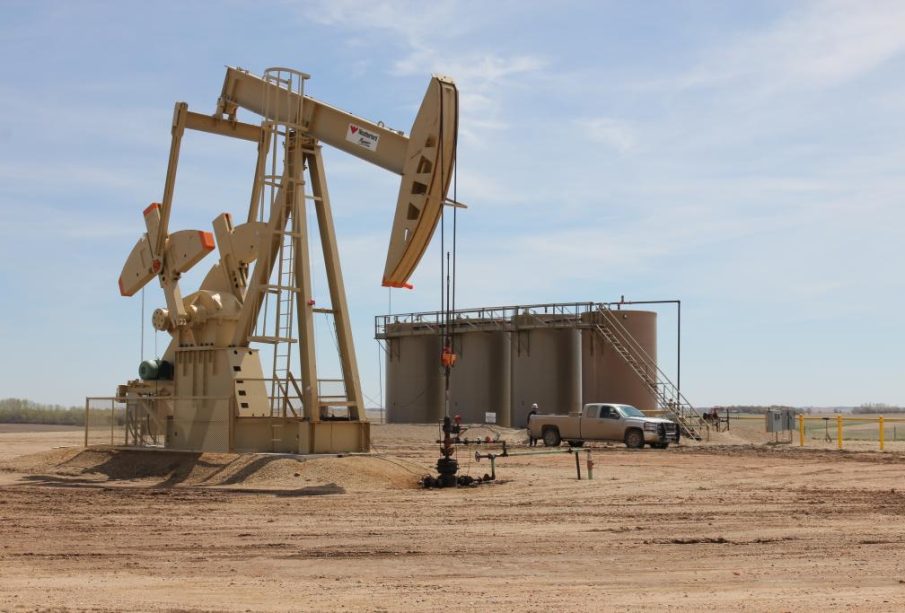
The oil and gas sector operates in an environment shaped by price volatility, regulatory pressure and the global energy transition. Managing assets effectively across upstream, midstream and downstream operations has never been more important. Renewable energy portfolio management plays a central role in helping energy companies maximise value, control risk and align assets with long term business strategy.
What Is Energy Portfolio Management?
Energy portfolio management is the strategic process of evaluating, prioritising and optimising a company’s portfolio of energy assets. In the oil and gas industry, this includes fields, wells, pipelines, processing facilities, refineries and associated infrastructure.
Rather than managing assets in isolation, energy portfolio management takes a holistic view, ensuring capital, resources and operational focus are directed towards the assets that deliver the strongest performance and strategic fit.
The Importance of Energy Portfolio Management in Oil and Gas
Oil and gas portfolios are typically diverse, geographically spread and capital intensive. Without structured portfolio management, companies risk inefficient capital allocation, underperforming assets and exposure to unnecessary operational and financial risk.
Effective energy portfolio management enables organisations to balance short term cash generation with long term value creation, while maintaining flexibility in changing market conditions.
Core Elements
Asset Performance and Value Optimisation
A key objective of energy portfolio management is understanding how each asset contributes to overall portfolio value. This includes analysing production efficiency, operating costs, reserve life and future development potential.
By identifying high performing and underperforming assets, companies can make informed decisions around investment, divestment or redevelopment.
Capital Allocation and Investment Planning
Capital discipline is essential in the oil and gas industry. Energy portfolio management supports prioritised investment planning by aligning capital expenditure with strategic goals, risk tolerance and expected returns.
This ensures funding is directed towards projects that enhance portfolio resilience and long-term profitability.
Risk Management and Portfolio Balance
Energy portfolios face technical, commercial, regulatory and geopolitical risks. Portfolio management frameworks help companies assess risk exposure across assets and regions, enabling diversification and mitigation strategies.
Balancing mature producing assets with growth opportunities is a critical outcome of effective energy portfolio management.
Lifecycle and Asset Maturity Management
Oil and gas assets move through exploration, development, production and decommissioning stages. Energy portfolio management ensures each asset is managed appropriately throughout its lifecycle, optimising production during peak years and planning cost effective late life operations and abandonment.
Energy Portfolio Management and Asset Management Integration
Energy portfolio management works closely with asset management disciplines. While asset management focuses on operational efficiency and reliability at the asset level, portfolio management ensures these assets collectively support corporate strategy.
Integrated asset and portfolio management improves transparency, supports data driven decision making and aligns operational performance with financial and strategic objectives.
Supporting Energy Transition Through Portfolio Management
As the industry responds to decarbonisation and sustainability goals, energy portfolio management is increasingly used to assess carbon intensity, emissions exposure and transition readiness across asset portfolios.
This allows oil and gas companies to prioritise lower emission assets, invest in carbon reduction initiatives and evaluate opportunities in alternative energy and low carbon technologies.
Technology and Data in Energy Portfolio Management
Advanced analytics, digital platforms and integrated data systems have transformed energy portfolio management. Real time performance data, scenario modelling and predictive analytics improve forecasting accuracy and decision quality.
These tools provide leadership teams with clearer insight into portfolio performance under different market and regulatory scenarios.
Energy portfolio management is a critical capability for oil and gas companies seeking to improve asset performance, manage risk and adapt to industry change. By taking a structured, data driven approach to portfolio and asset management, organisations can strengthen financial resilience while positioning themselves for a more sustainable energy future.
As market conditions and energy priorities continue to evolve, energy portfolio management will remain essential to achieving long term value and strategic alignment across oil and gas assets.


