
How Air Compressors Support Food Processing and Packaging Operations
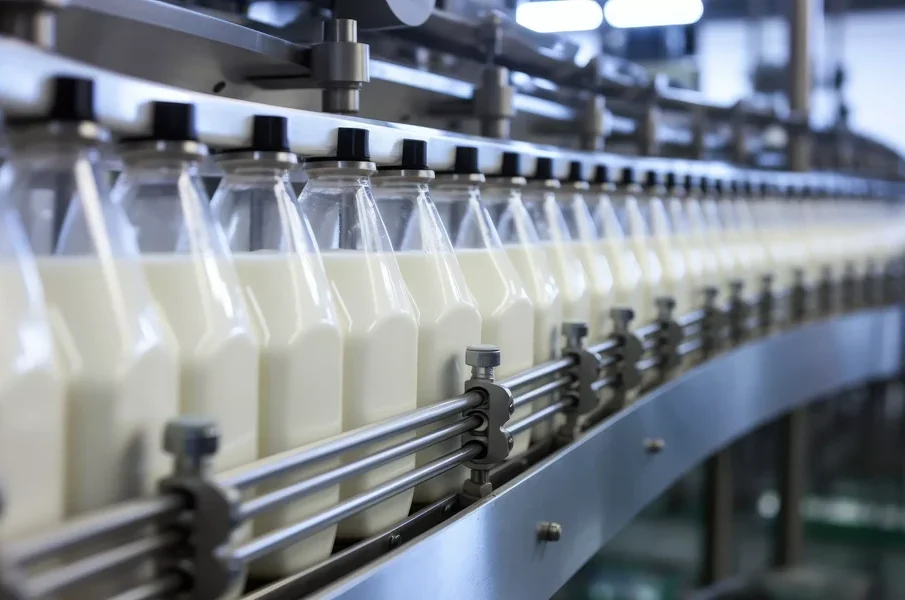
Getting food items from the production floor to the store shelves involves dozens of moving parts, and keeping every one of them clean, efficient, and reliable is no small task. Manufacturers are under constant pressure to protect and maintain product quality and hygiene while still hitting production targets. Behind the scenes, one utility quietly makes much of this possible: compressed air. Compressed air touches nearly every stage of food processing, from handling raw ingredients to filling, sealing, labeling, and packing the finished product. It’s the invisible force behind much of the automation that keeps a modern plant moving.
Compressed Air: An Essential Utility, Not Just a Convenience
Most food manufacturing units today treat compressed air with the same importance as electricity or water supply in the plant. Air compressor drives pneumatic valves, control systems, conveyors, filling machines, and entire packaging lines.
Typical uses include:
- Moving product and materials through the facility
- Powering pneumatic valves and actuators
- Running filling and dosing equipment
- Cleaning of bottles and containers
- Operating sealing, labeling, and packaging machinery
- Running sorting and inspection systems
- Air knife applications for drying and cleaning
Since these operations are a necessary part of the entire food manufacturing process, plants require a high-quality compressed air supply that performs consistently, shift after shift, without unplanned interruptions.
Why Compressed Air Quality Matters
Unlike in many other industries, compressed air in food manufacturing often touches the product itself, whether directly or through contact with packaging and food-contact surfaces. That makes air quality a genuine safety issue, not just an operational one.
Moisture, oil residue, dust, and microorganisms in the air supply can spoil product quality, create food safety risks, and lead to costly downtime or recalls. That’s why dryers, filters, and condensate management systems are just as important as the compressor itself.
A properly designed system helps plants:
- Protect hygiene and product quality
- Stay compliant with food safety standards
- Lower the risk of contamination
- Cut down on waste and downtime
- Keep production running reliably
Where Compressed Air Fits Into Packaging
Packaging isn’t just about containing a product; it helps preserve freshness, protect goods during transit, extend shelf life, and enhance consumer experience.
Compressed air supports this in several ways.
- Filling operations
An automated filling system relies on it for accurate, consistent dispensing of liquids, powders, and packaged goods, cutting down on waste.
- Machine automation
Packaging equipment relies on compressed air to operate pneumatic cylinders, clamps, cutters, and sealers and depends on a steady air supply for smooth, precise operation.
- Cleaning and blow-off applications
Compressed air is used to clear dust, particles, and moisture from containers before they’re filled and sealed away.
- Conveying systems
Conveying systems are powered by compressed air to keep products moving efficiently along fast-paced production lines.
Choosing the Right Compressed Air Partner
Selecting a reliable compressed air supplier matters as much as the equipment itself. Chicago Pneumatic India offers a full lineup built for demanding food industry applications, including rotary screw and piston compressors, air dryers, filters and treatment solutions, condensate management systems, and air receivers and piping. Together, these solutions can help manufacturers establish a dependable compressed air system suited to their operational requirements.
Conclusion
Compressed air quietly powers much of what happens in the food processing and packaging industry, from automation to hygiene to overall efficiency. As food manufacturers face growing pressure around quality, compliance, and output, having a dependable compressed air system isn’t optional; it’s foundational. With the right combination of compressors and air treatment solutions, compressed air can remain a dependable utility throughout the production process.


