
How New Technologies Are Transforming Healthcare
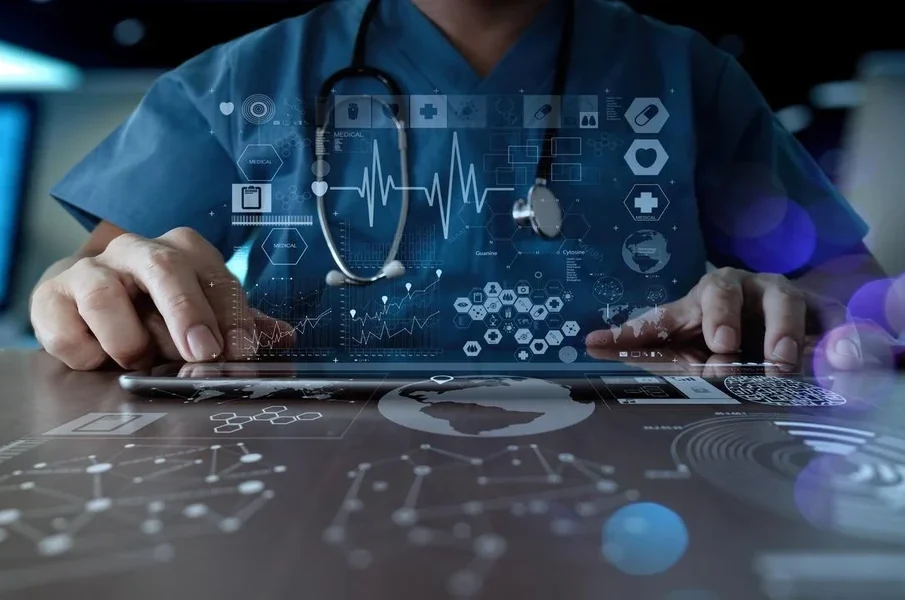
Healthcare is changing rapidly as new technologies and innovative approaches transform the way medical services are delivered. From artificial intelligence to remote consultations, modern solutions are helping healthcare providers improve efficiency, support better decision-making, and make care more accessible. These developments are not only changing hospitals and clinics but also influencing how people monitor and manage their health.
As these innovations continue to develop, they are shaping the future of healthcare by creating new opportunities for earlier detection, more personalized treatment, and convenient access to medical services. At the same time, successful adoption will depend on responsible implementation, ongoing research, and collaboration between technology developers and healthcare professionals. Balancing innovation with patient safety, privacy, and quality of care will be essential as healthcare systems adapt to an increasingly digital environment.
Artificial Intelligence in Healthcare
Artificial intelligence is becoming an important tool in modern healthcare. It can process large amounts of medical information and help professionals identify patterns that may be difficult to recognize manually. AI-based systems can support areas such as medical imaging, disease detection, patient monitoring, and administrative tasks.
By assisting healthcare professionals with routine analysis, AI can save time and allow them to focus more attention on patients. However, these systems are designed to support professional judgment rather than replace qualified medical experts.
Growth of Telemedicine
Telemedicine has made healthcare services more accessible to people who may have difficulty visiting medical facilities. Patients can communicate with healthcare professionals through video consultations, phone calls, and digital platforms.
This approach can be particularly useful for follow-up appointments, routine consultations, and people living far from major healthcare centers. As digital connectivity improves, remote healthcare is likely to become an increasingly important part of medical services.
Wearable Health Technology
Smartwatches and other wearable devices are giving individuals more ways to monitor aspects of their health. Depending on the device, users may be able to track heart rate, physical activity, sleep patterns, or other measurements.
This information can encourage people to take a more active role in managing their well-being. When appropriate and reviewed by healthcare professionals, data from connected devices may also provide useful information about changes that require further attention.
Advances in Personalized Medicine
Innovation is also supporting more personalized approaches to healthcare. Instead of relying on the same treatment strategy for every patient, healthcare professionals can increasingly consider individual characteristics when making decisions.
Developments in genetics, medical research, and data analysis are contributing to this approach. Personalized medicine has the potential to help healthcare providers select treatments that are better suited to individual patients.
Robotics and Medical Procedures
Robotic technology is being used in certain medical procedures to provide greater precision and control. Surgical systems can assist trained medical teams with complex operations, while robots are also being explored for rehabilitation, hospital logistics, and other healthcare applications.
These technologies can improve certain processes, although their effectiveness depends on proper training, appropriate use, and careful clinical oversight.
Protecting Patient Data
As healthcare becomes more digital, protecting patient information is increasingly important. Hospitals and healthcare organizations must use appropriate security measures to safeguard sensitive medical records and maintain patient trust.
Technology should therefore be developed alongside strong privacy, security, and ethical standards.

